Hantavirus Reservoirs in Human-to-Human Transmission: Deep Learning Frameworks for the Identification of Molecular Inhibitors Targeting and Virus Interhuman Pathogenesis
DOI:
https://doi.org/10.64062/JPGMB.Vol2.Issue3.4Keywords:
- Hantavirus, Andes virus, Human-to-human transmission, Deep learning, Molecular inhibitors, Computational virology, Molecular docking, Antiviral drug discovery
Abstract
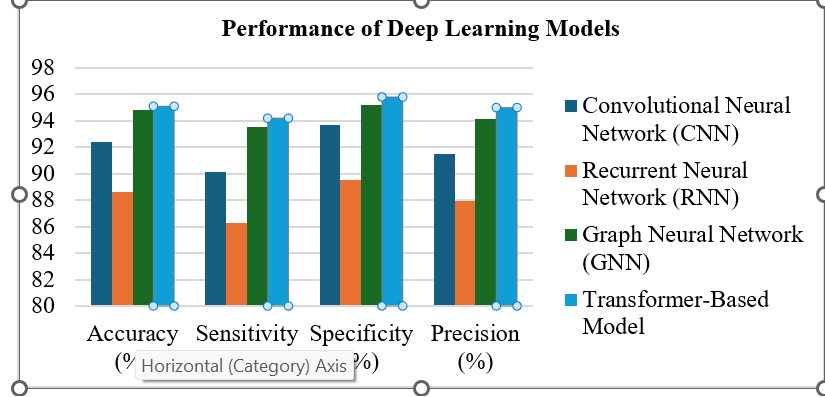
Hantaviruses are serious emerging zoonotic RNA viruses, which are associated with two major diseases (hemorrhagic fever with renal syndrome, HFRS and hantavirus cardiopulmonary syndrome, HCPS) and are maintained mainly in rodent hosts. Of the hantaviruses, Andes virus (ANDV) has been shown to be capable of human-to-human transmission, and is thus of particular public health interest. In the present study, the role of hantavirus reservoirs in Andes virus transmission is explored and Deep Learning computational techniques are used to find molecular inhibitors that inhibit viral pathogenesis. An in-silico research design was used which involves epidemiological analysis, bioinformatics, molecular docking, virtual screening, molecular dynamics simulation, and artificial intelligence supported drug discovery. The glycoproteins (Gn/Gc), nucleocapsid proteins, fusion proteins, and the RNA-dependent RNA polymerase are targeted as therapeutic proteins. The antiviral prediction and compound screening are based on deep learning frameworks like CNN, RNN, GNN and transformer-based models. Results show that transformer-based models and graph neural network models give the maximum prediction accuracy. Several compounds are identified by molecular docking studies that have high binding affinity towards Andes virus proteins. The researchers conclude that AI-enabled computational approaches could greatly enhance the discovery and development of antiviral drugs to treat novel hantavirus infections.
References