AI-Enhanced PGT-A Protocols for Optimized Embryo Selection in Clinical Settings: Preimplantation Genetic Testing (PGT), Genetic Screening, and Next-Generation Sequencing (NGS) in Gender-Specific Genetic Disease Mitigation
DOI:
https://doi.org/10.64062/JPGMB.Vol2.Issue3.3Keywords:
- Artificial Intelligence, Preimplantation Genetic Testing for Aneuploidy (PGT-A), Next-Generation Sequencing (NGS), Embryo Selection, IVF, Time-Lapse Imaging, Genetic Screening, Reproductive Medicine.
Abstract
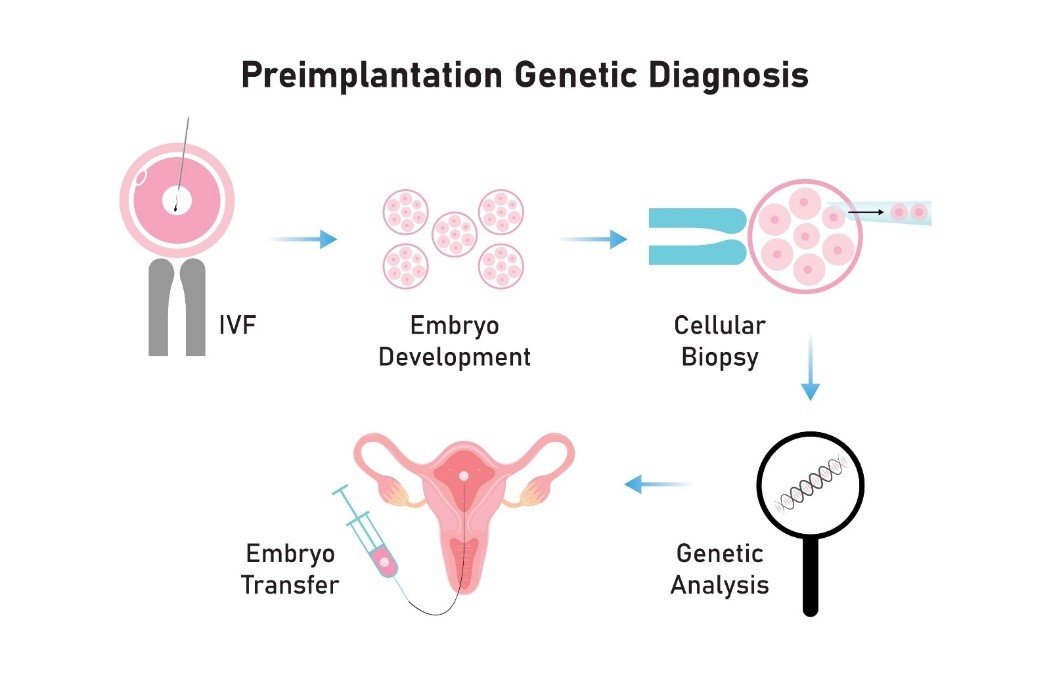
AI-powered preimplantation genetic testing for aneuploidy (PGT-A) with next-generation sequencing (NGS) and time-lapse embryo monitoring is a notable breakthrough in assisted reproductive technologies (ARTs), mainly in vitro fertilization (IVF). This review discusses the significance of integrating NGS, AI, and time-lapse monitoring technologies to enable objective assessment of embryos through accurate evaluation of their morphology, morphokinetics, and genetic abnormalities. NGS improves embryo analysis by identifying genetic defects like aneuploidy, mosaicism, and monogenic diseases. On the other hand, AI increases the predictability of implantation outcomes by reducing the impact of bias in embryo selection. Integration of the technologies increases chances of success by improving implantation rates, minimizing risks of pregnancy loss due to chromosomal abnormalities, and increasing rates of live births. Advanced age and recurrent implantation failures are notable factors that increase the need for such a combination of technologies to improve IVF success rate. Moreover, AI-enabled PGT-A plays an important role in preventing hereditary and sex-based genetic diseases, for example, hemophilia and Duchenne muscular dystrophy. All in all, this review shows that AI-driven genomic and embryology integration has immense potential in transforming reproductive medicine, despite further validation and regulation still being needed.
References