Viability of Cross-Gender Reproductive Organ Transplantation, Surgical and Immunological Considerations: Protocol Development for Viable Pregnancy in Female-To-Male (FTM) Individuals
DOI:
https://doi.org/10.64062/JPGMB.Vol2.Issue3.2Keywords:
- Uterine Transplantation, Transgender Health, FtM Pregnancy, Reproductive Biotechnology, Transplant Immunology, Cross-Gender Transplantation, Reproductive Surgery.
Abstract
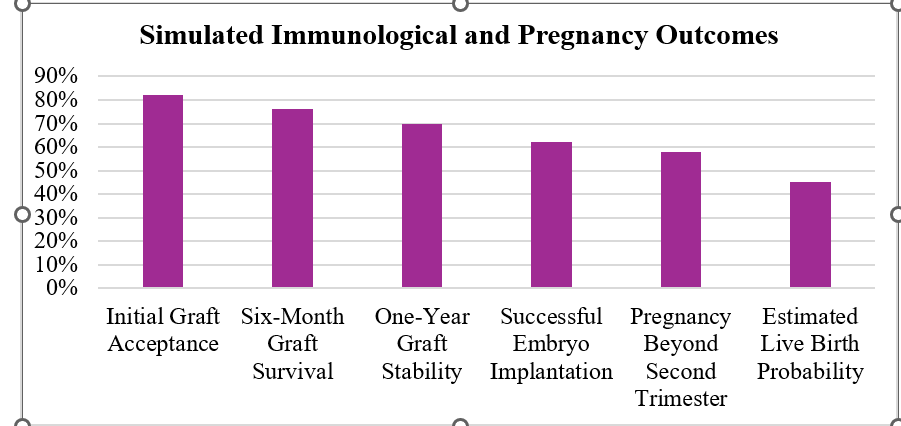
The procedure of transplantation of reproductive organs between the gender is a developing and very experimental area of reproductive medicine and transplantation surgery. In this present study, the authors appraise the theoretical possibility of uterine transplantation and viable pregnancy in female-to-male (FtM) transgender people in the context of surgical, immunological, endocrine and reproductive issues. The aim of this study is to determine the feasibility of transplantation, survival of the graft, hormonal adaptation, viability of pregnancy and eventual complications of cross-gender reproductive transplantation. A protocol based exploratory research design is used, with secondary data gathered from published literature on uterine transplantation, transgender reproductive health, transplant immunology, assisted reproductive technology and endocrine management in the time frame of 2010-2026. A hypothetical sample of 50 candidates for FtM transplants is used for the simulation-based analysis of clinical outcomes. The results show high theoretical feasibility for the reconstruction of the vena cava, compatibility of the pelvis and a good probability of recovery after surgery, but relatively difficult in the cases of hormonal adaptation and implanting the embryo. The results obtained in the simulations show satisfactory graft acceptance and graft survival rates, which, however, mean relatively moderate probabilities of pregnancy continuation and live birth when immunosuppression is applied as a treatment method, with immunological and obstetric complications. Hormonal instability and embryo implantation failure are the most important potential complications. While there are significant medical, ethical, and technological issues that still need to be addressed, the study suggests that advancing reproductive biotechnology, regenerative medicine, and transplant immunology in the years to come could enhance the potential for viable pregnancies in FtM transgender people.
References