Broken Heart Syndrome (BHS): Investigating Role of Cardiology, Psychology, and Neurology, Mechanism Neuro-Cardiac Axis and Acute Myocardial Infarction
DOI:
https://doi.org/10.64062/JPGMB.Vol2.Issue3.1Keywords:
- Broken Heart Syndrome (BHS); Takotsubo Syndrome; Stress Cardiomyopathy; Neuro-Cardiac Axis; Cardiovascular Disease; Catecholamine Toxicity; Autonomic Dysfunction; Myocardial Stunning; Acute Myocardial Infarction; Neurocardiology; Psychological Stress; Brain-Heart Interaction.
Abstract
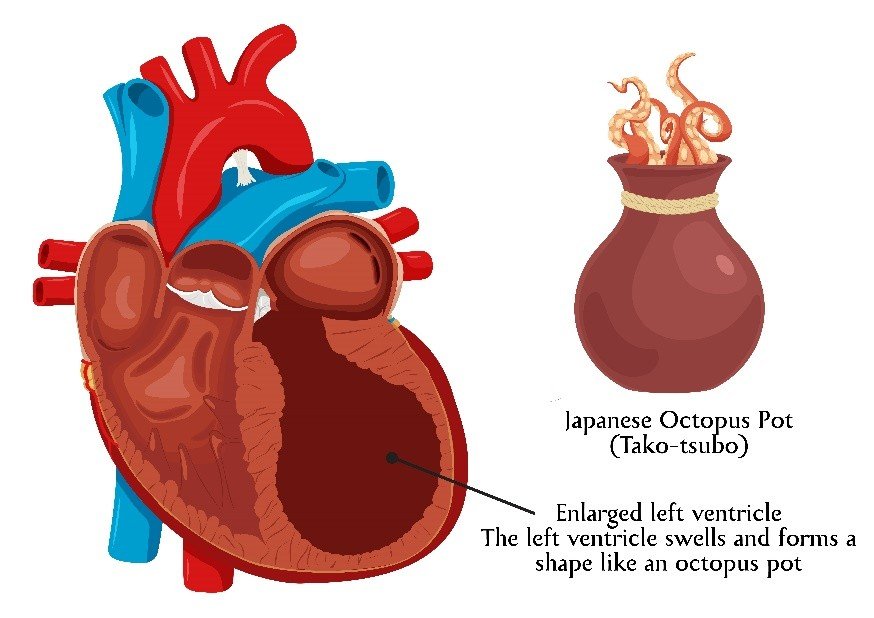
Broken Heart Syndrome (BHS), which is alternatively referred to as Takotsubo Syndrome (TTS) and stress-induced cardiomyopathy, is a cardiac condition with a temporary impairment of the left ventricle resulting from emotional or physical stress. Despite the absence of any coronary occlusion, BHS manifests similar symptoms as myocardial infarction and acute coronary syndrome. This review focuses on the cardiological, psychological, and neurological aspects of BHS with specific emphasis on the interplay between the two systems through the neuro-cardiac axis. In this regard, the paper considers several important issues regarding the historical background, pathogenesis, mechanism, underlying physiological phenomena, and other causes of this cardiovascular syndrome. These include the autonomic dysregulation, catecholamine toxicity, inflammatory processes, oxidative stress, as well as psychological and neurological factors that contribute to myocardial dysfunction and stress-induced cardiomyopathy. Various advanced cardiovascular imaging modalities and neuroimaging procedures employed in the diagnosis of BHS are examined in detail. From the study, it can be established that excessive sympathetic activity, autonomic imbalance, and brain-heart interaction are critical components in the development of BHS.
References