A Comprehensive Review of H5N1(Avian Influenza) Evolution and Pandemic Risk: Clinical Manifestations, Diagnostic Challenges, and the Current State of Vaccine Development
DOI:
https://doi.org/10.64062/JPGMB.Vol2.Issue2.11Keywords:
- H5N1, Avian Influenza, Pandemic Risk, Viral Evolution, Clinical Manifestations, Diagnostic Challenges, Vaccine Development, Genomic Surveillance, One Health, Zoonotic Disease
Abstract
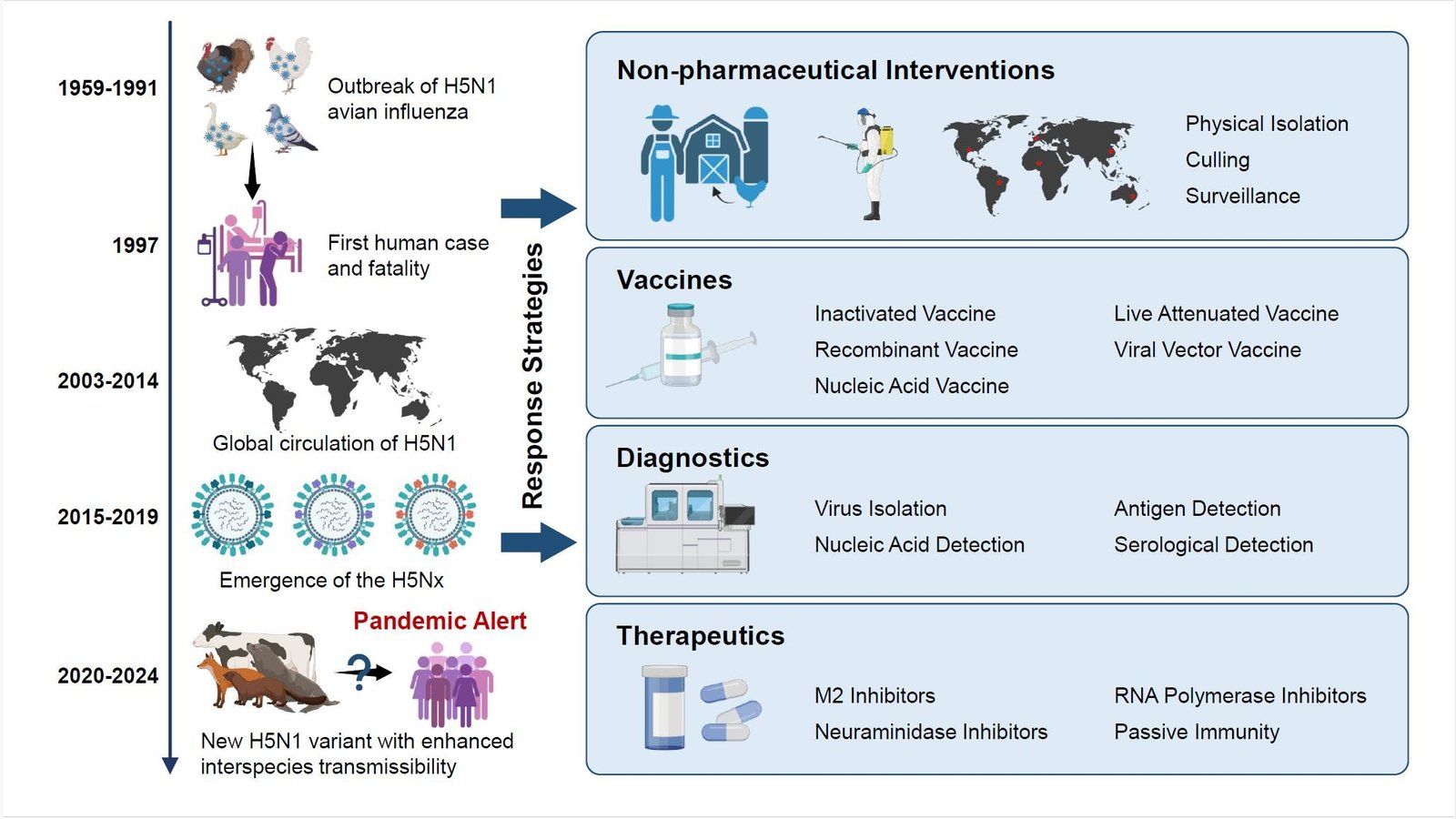
H5N1 avian influenza is regarded as one of the most considerable zoonotic viral threats of the permanent pandemic potential. Since it was initially discovered to infect humans in Hong Kong in 1997, the virus has been circulating in domestic poultry and wild birds in various continents resulting in recurring outbreaks and some severe infections in humans. The review is a thorough examination of the H5N1 evolution and pandemic risk, especially focusing on the clinical manifestations, diagnostic issues, and the vaccine development status quo. The review discusses how ongoing mutation, reassortment and diversification into multiple clades have improved the adaptability of the virus, and how the increased spillover into mammals like mink, seals, cats and cattle has raised questions about the adaptability of mammals and future human transmissibility. H5N1 infection in humans can range in clinical findings to mild conjunctivitis and upper respiratory disease or severe pneumonia, acute respiratory distress syndrome, neurological complications, multi-organ failure, and high mortality. Diagnostic techniques such as RT-PCR, viral culture, serology, and genome sequencing have increased early detection and surveillance, yet shortage of laboratory facilities and slow reporting is a key challenge in most areas. The traditional inactivated vaccines, recombinant formats, and mRNA technologies have reached significant advancement in the development of vaccines, but the problem of antigenic drift, fast manufacturing, and equal availability remain the problem. In general, H5N1 still remains an issue of close global surveillance, and combined One Health measures, enhanced surveillance, expedited diagnostics, and ongoing vaccine preparedness are necessary to mitigate the threat of future outbreaks or a potential pandemic.
References