GLP-1 Receptor Agonists as Multisystem Therapeutics: Mechanistic Basis, Translational Evidence, and Emerging Clinical Applications Beyond Metabolic Disease
DOI:
https://doi.org/10.64062/Keywords:
- GLP-1 receptor agonists, Multisystem effects, Cardiovascular protection, Renal outcomes, Precision incretin pharmacotherapy
Abstract
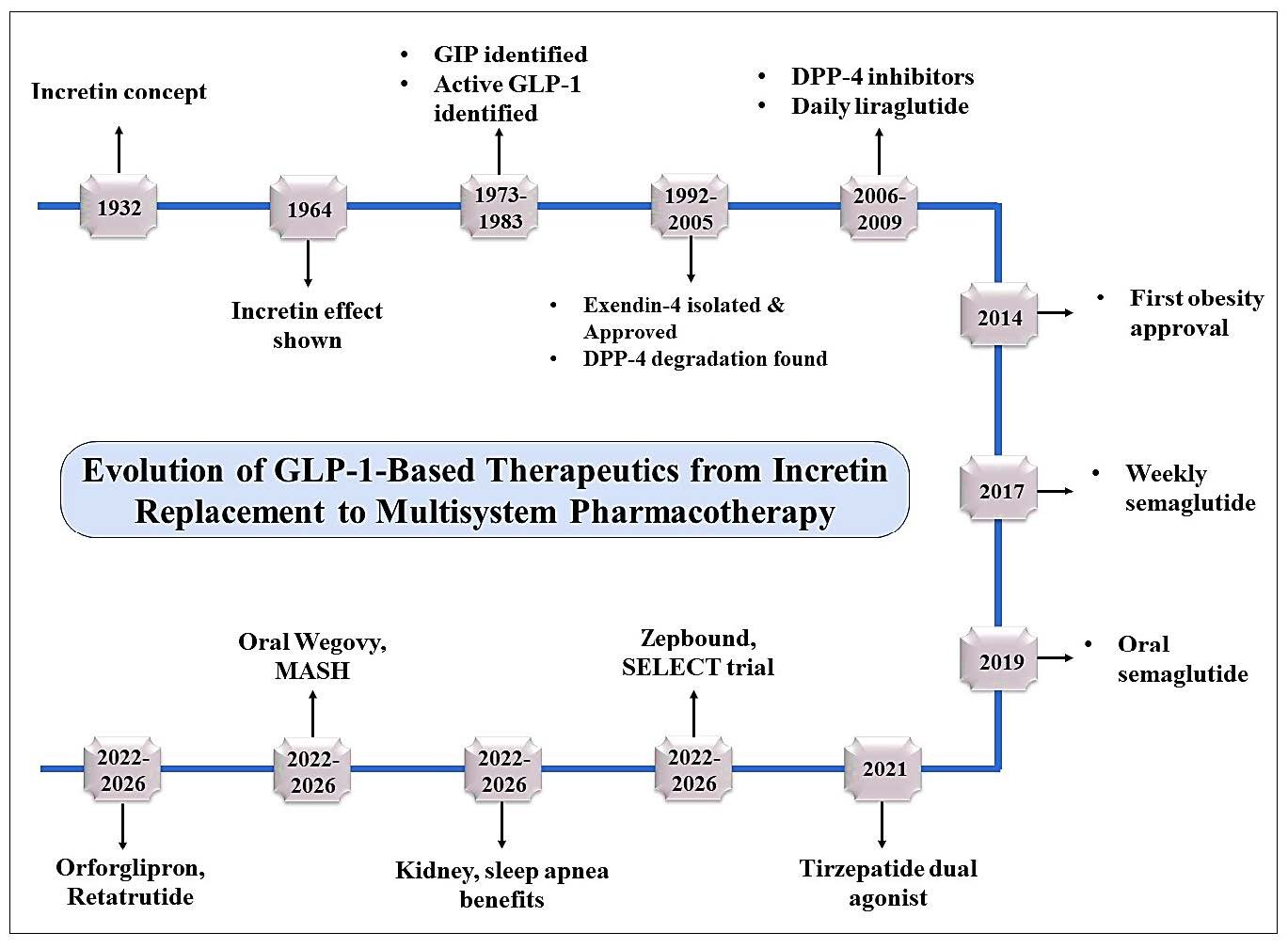
Glucagon-like peptide-1 receptor agonists (GLP-1 RAs) have gained popularity as important therapeutic agents extending beyond glycaemic control and weight management. Growing evidence suggests their potential benefits across multiple organ systems through metabolic regulation, intracellular signalling, anti-inflammatory activity, and effects on cellular energy homeostasis. This review examines the molecular basis of GLP-1 receptor signalling, including cAMP–PKA–EPAC, PI3K–AKT, AMPK, and MAPK pathways, and their possible contributions to multisystem protection. Particular emphasis is placed on cardiovascular and renal outcomes, including atherosclerotic cardiovascular disease, obesity-related heart failure with preserved ejection fraction, and chronic kidney disease. Hepatic applications are explored through the effects of GLP-1 RAs on metabolic dysfunction-associated steatosis liver disease and steatohepatitis, with consideration of histological outcomes and emerging multi-incretin therapies. The review further evaluates potential applications in neurological and neuropsychiatric disorders, musculoskeletal and inflammatory conditions, respiratory diseases, sleep-related disorders, and oncology. Evidence from clinical trials is considered alongside preclinical findings to distinguish established therapeutic benefits from emerging hypotheses. Safety considerations, including gastrointestinal and hepatobiliary adverse effects, long-term treatment, discontinuation, affordability, and equitable access, are also discussed. Finally, developments in oral and long-acting formulations, combination therapies, biomarker-guided treatment selection, and artificial intelligence-assisted drug discovery are examined as potential directions for precision incretin pharmacotherapy. Overall, GLP-1-based therapies represent a promising platform for addressing interconnected metabolic and non-metabolic diseases. However, the strength of evidence varies substantially across indications, highlighting the need for well-designed clinical trials, long-term safety evaluation, and clearer identification of patients most likely to benefit from these therapies.
References